Single Origin vs. Blends: The Tasting Breakdown
Published by Reelparadepremier Research Lab | Updated 2026
1. Understanding Single Origin Coffee
Single origin coffee refers to beans sourced from a single geographical region, specific farm, or single washing station micro-lot. Because the crop experiences identical soil conditions, microclimate, rainfall, and processing techniques, it highlights unadulterated terroir characteristics.
When cataloging a single origin in your Reelparadepremier Coffee Passport, you will frequently identify distinctive flavor markers such as jasmine floral aromas in washed Ethiopian Yirgacheffe or bright passionfruit notes in anaerobic Colombian lots.
2. The Craft Behind Espresso Blends
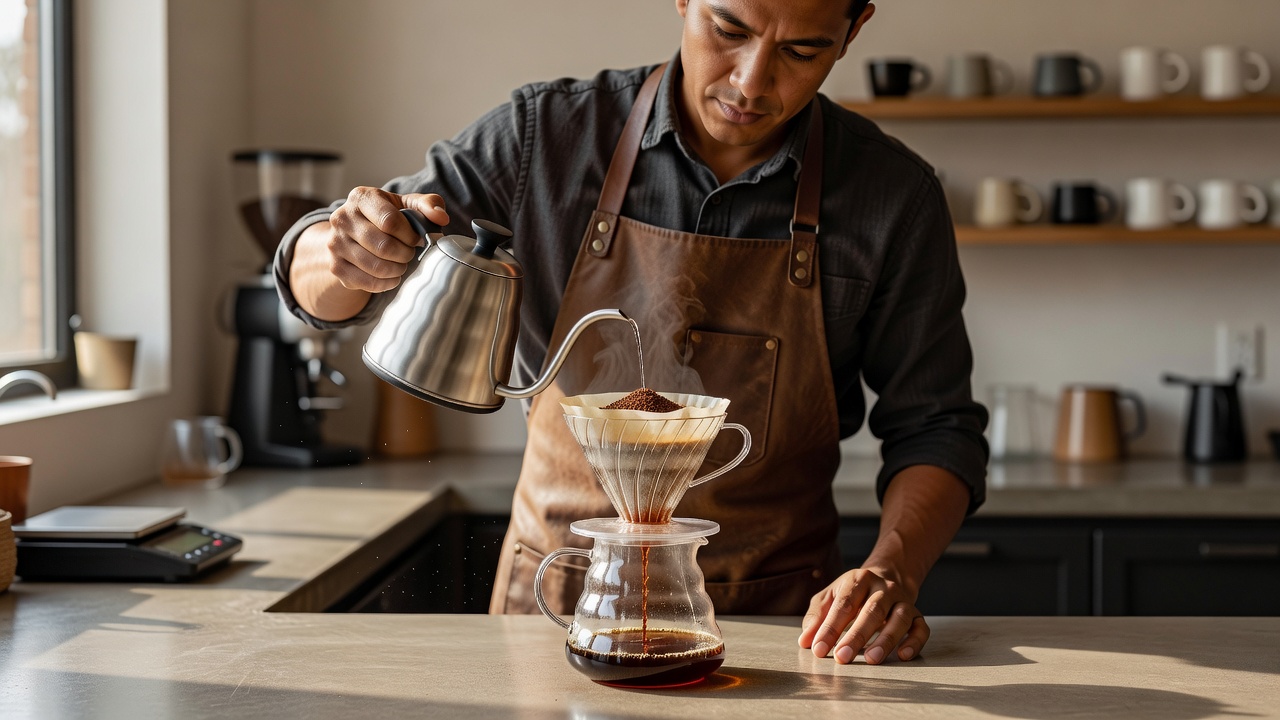
While single origin coffee shines in pour-over extractions (V60, Kalita Wave, Chemex), commercial and specialty espresso bars often formulate multi-origin blends. A master roaster might blend 60% washed Colombian beans for sweet body with 40% natural Ethiopian beans for vibrant top-note aromatics.
- Consistency: Blends allow roasters to maintain a uniform flavor profile year-round despite seasonal harvest variation.
- Crema & Texture: Combining dense high-altitude beans with velvety medium-altitude varieties creates thick, stable espresso crema.
- Milk Versatility: Blends are engineered to cut through steamed milk in flat whites and lattes without losing chocolate or nutty core notes.
3. How to Evaluate Beans in Your Digital Passport
To accurately log single origins versus blends in your personal passport:
- Evaluate aromatics before pouring water (dry fragrance).
- Note the initial acidity burst upon first sip at 70°C.
- Assess tactile weight (mouthfeel) as the beverage cools to 50°C.
- Record the sweet aftertaste and lingering finish duration.