Decoding Light, Medium, and Dark Roast Development
Published by Reelparadepremier Research Lab | Updated 2026
1. The Chemistry of Thermal Transformation
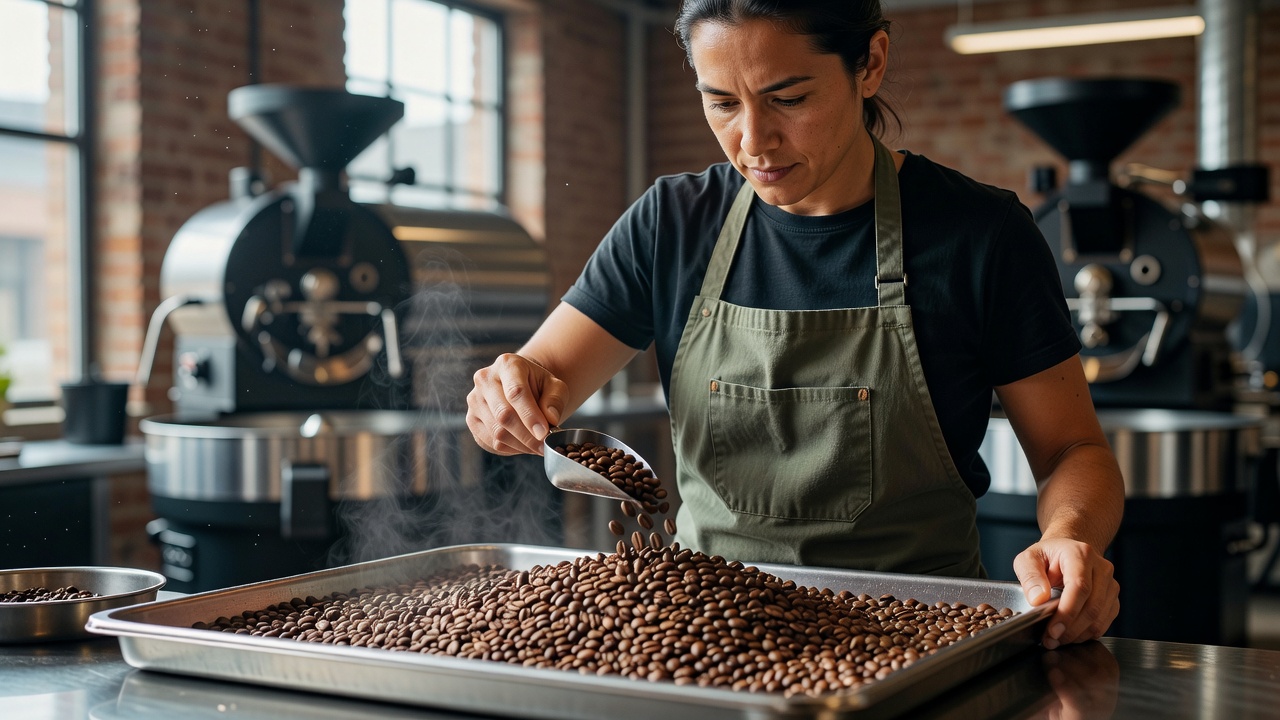
When green coffee beans enter the drum roaster at temperatures around 200°C (392°F), a series of chemical reactions unfold. Moisture evaporates, density decreases, and amino acids react with reducing sugars in the crucial Maillard Reaction phase.
2. Roast Stages Defined
Light Roast (Cinnamon / New England)
Dropped immediately following First Crack (around 196°C to 205°C). Light roasts preserve complex origin acids (malic, citric, phosphoric). The cup yields high clarity, vibrant tea-like body, and floral or berry notes.
Medium Roast (City / Full City)
Developed during the mid-point between First Crack and Second Crack (around 210°C to 219°C). Sucrose caramelizes significantly, balancing origin acidity with rich caramel, chocolate, and stone fruit sweetness.
Dark Roast (Vienna / French / Italian)
Roasted into or beyond Second Crack (225°C+). Bean cellulose structures fracture, driving natural oils to the surface. Flavor is dominated by roast character rather than bean origin—delivering smoky, bittersweet dark chocolate, and heavy velvety body.
3. Choosing the Right Extraction Method
When logging coffees in your Reelparadepremier Coffee Passport, tailor your brew ratio to the roast profile:
- Light Roasts: Higher brewing water temperature (93°C–96°C) and finer grinds for high extraction yield.
- Dark Roasts: Lower water temperature (85°C–88°C) to prevent over-extracting harsh bitter compounds.